The Autistic Writer: Revision Process
When I write a first draft, especially for a novel, I go right through without reviewing anything. No fixes, no editing, no correcting. I may or may not use an outline, or adhere to same if I start with one, but there is no pausing during the drafting process.
I learned this years ago when I first tackled NANOWRIMO. (National Novel Writing Month.) Before that exercise forever changed the way I approached my work, I’d choke everything with my own skewed sense of perfectionism before ever finishing a whole book.
In fact, I have only one example of a completed novel from my time before NANOWRIMO, and I have never published it. Never intend to. Because even with all that stopping and starting during the “first” draft, it’s still a mess.
Now, I finish one “blind” draft, and let it sit for two or three months, depending. Then I begin the first of several editing and revision passes until it’s ready to publish.
No fixed number of revision rounds. I’d put the average in the 7-10 range.
Perfectionism is its own problem to which a writer must no succumb. But if one is inclined toward to an exacting (and exhausting) standard, best to save it for the revision process of your work.
It’s during revision that I am fixing something that doesn’t work. While I know longer am a perfectionist, I am very much in tune to both the art and science of finding and “feeling” what works, what doesn’t, and cleaning it up. Improving it.
This more productive approach, as well as my ill-advised former perfectionism have their roots in my Autistic mind, I believe.
Part of it is pattern recognition. On some preternatural level I read through my work and come across a wrinkle in the shirt, if you will. There are certain patterns and flows to my best writing, and when a sentence, paragraph, sometimes a single word breaks that pattern, I know it, and I change it during the revision process. I sand rough edges, sharpen dull stretches.
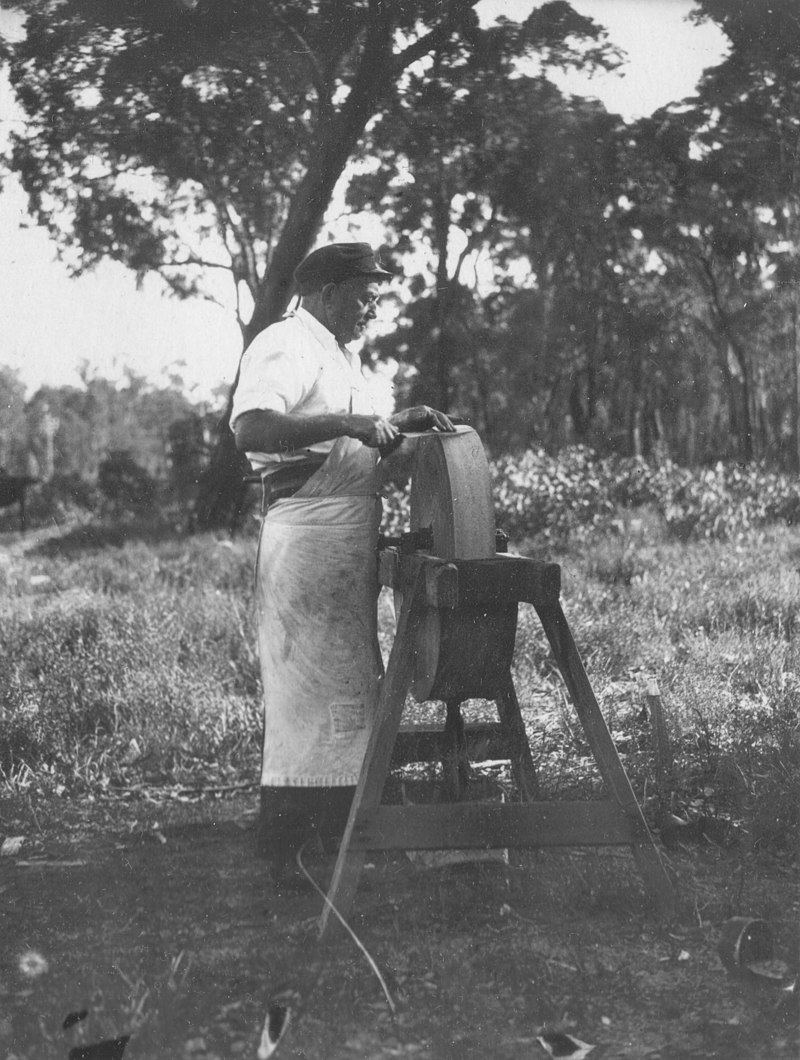
Though I am no longer a pure perfectionist, the revision process allows me to hone in quite narrowly to nuances and beats that the reader may or may not actively detect, but that I will always know are there, and hence try to make “smooth.”
Revision, in many ways, is Autistic. Autistic in a positive way.
My former first draft perfectionism was, I feel, also part of the Autistic mindset, but in the negative. The judgmental and the unfair aspects of Autistic perception that, if ignored cause more harm than good.
Obviously all authors have drafting and revision processes. Those not on the Spectrum draw the distinction between the two as well. But from my own perspective, it is revisions, all rounds of them but the later rounds especially, that benefit most from my Autistic tendencies.
- Posted in: Writing
- Tagged: autism, autistic writer, autisticwriter, first draft, revisions

 Ty Unglebower