The Autistic Writer: Writer Retreats
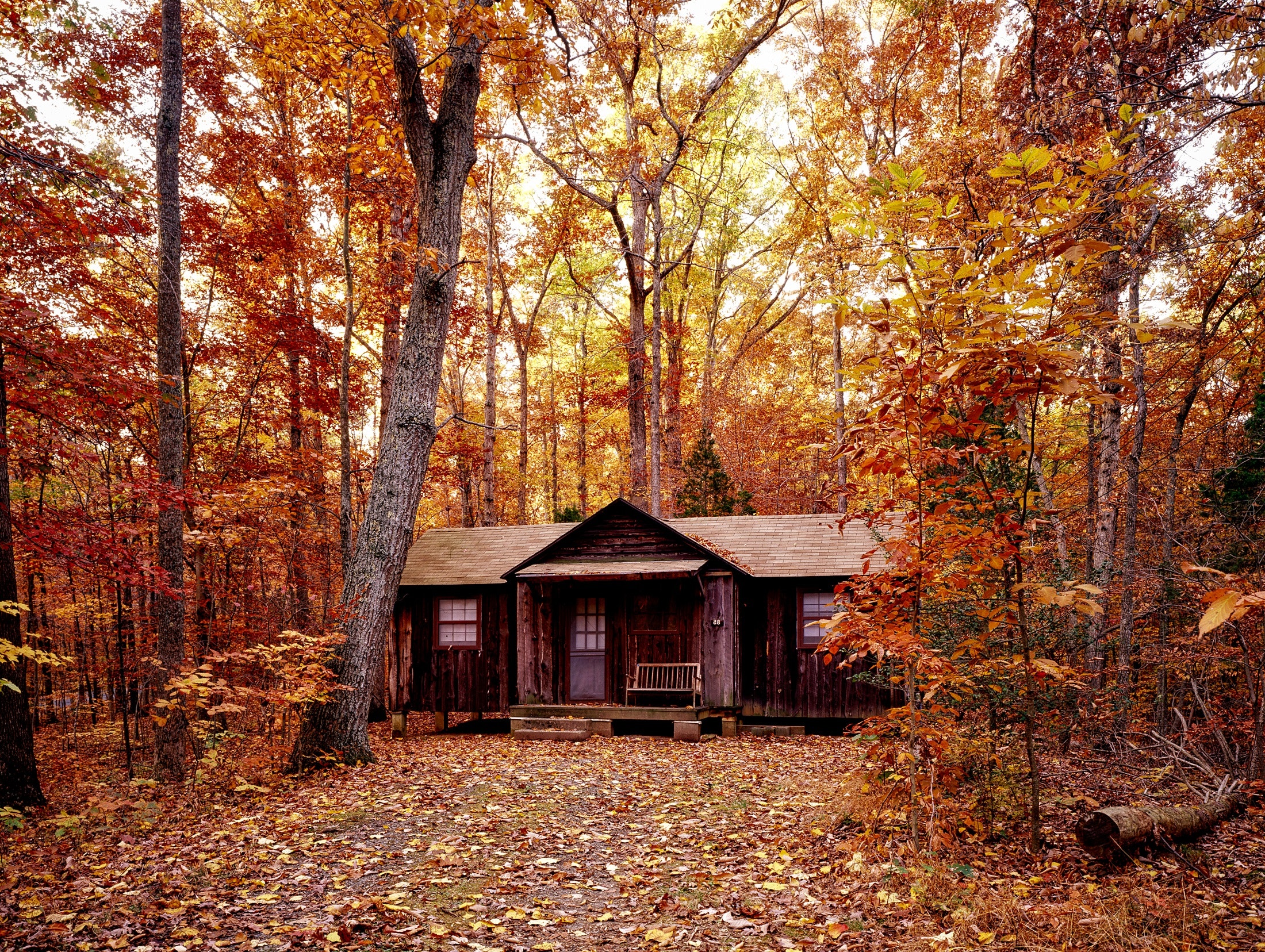
Writer’s retreats. Some swear by them. They can range anywhere from a few hours at a local state park with a brown bag lunch and a writers group, to several weeks in idyllic or even exotic locations, with meals provided.
Needless to say, unless you’ve won a contest, the more a retreat provides the higher the price.
Like most writers, for the time being the cost of most such experiences is prohibitive.
Yet if money were no object, the prospect of a retreat would still give me pause. There’s much to consider for an Autistic mind before embarking on such an adventure.
Obviously, there is the social aspect. People with Autism are not de facto anti-social. (Some are, just as with anybody else.) Yet their ability to read social cues, to fully understand the nature and purpose of a social interaction is skewed from the norm in most cases. Couple this with a not-uncommon propensity for sensory overload and an Autistic writer may get less done on a retreat than they do at home. (Which is often the “safest” space for them.)
I would argue the biggest concern is the accommodations. Sleep, or bedtime if one sleeps little, is a key time for an Autistic person. I venture to say a roommate of any kind but particularly a stranger would be a deal breaker for most of us. Even if only for a few days, this is a vulnerability that would detract from everything else; I would almost certainly not attend a retreat that required rooming with someone.
These concerns don’t stop at bedrooms, however. How much socializing with other attendees is expected? Are there seminars at the retreat? Are they required or optional? Is there any limit to how large these are? What may be just a description of the experience for some could make or break the entire affair for someone with Autism. I myself would want to keep any expected discussion to a minimum at any retreat I attended, though I personally could handle one or two.
How about meals? Many people on the Spectrum have what are called “safe foods,” or meals they can eat over and over, particularly when other aspects of their day are unpredictable. Can attendees bring their own food? Are any of these safe foods on the menu of the retreat?
Are meals communal? Plenty of retreats I’ve looked into require attendees to come together for meals. Nightmare of nightmares some requires participants to help prepare same. The horror!
A handful of the higher end retreats bring at least a lunch to the writer’s door so as not to disturb them. I cannot squeeze blood from a stone, but this option would be worth me scrounging for money to afford said luxury, all things being equal.
Can one visit the campus before signing up? The newness of the surroundings would in most cases not bother me if they were otherwise acceptable. But plenty of people with ASD would appreciate or even need to familiarize themselves with the environment before ever making the decision to attend. Does the retreat in question allow this?
I myself want to be at least within hollering distance of others, as opposed to alone on a mountain road, despite my often-solitary nature. This is in case I become flustered or disoriented in the event of an emergency. One of my fears no doubt connected to my Autistic wiring.
Urban vs rural. Large population vs. small. Seasons. Organizing institution. Distance from home. All or some of these things, along with plenty more, will determine the usefulness and pleasure of a writers retreat to an Autistic writer.
Make no mistake, however. The ideal of a retreat for writers is not at all threatening to the Autistic mind. In fact, once all of the above-mentioned aspects are taken into consideration, the basic ideal of a retreat may be just what an Autistic is looking for.
The quiet. The (at least part time) isolation. The guaranteed lack of distraction. “Permission,” to hand everything over to our creative side. A schedule, if only for a few days, that we can consume entirely with imagination. A retreat with just the right balance of components may just be a temporary utopia for a person’s Autism as well as their writing process.
And despite what I’ve already mentioned here, don’t discount the social aspects of a retreat. So long as interacting with others is 100% voluntary and not a requirement in the offered package, a writers retreat might help us rid ourselves of the dreaded small talk. Everyone there, after all is a writer, working on a project. This means a built in special-interest for a time. You always know at least one topic everyone is willing to discuss with you. Under those conditions even I could see myself talking to strangers.
A little bit. If I meet my word count for the day. And if I can eat alone. Without a roommate. And they have the food I want.
So yes. My ASD will affect my choice of retreat as much if not more than the price. But it won’t keep me away.
Maybe someday, when I sell enough copies of everything.
Next week I’ll explore the related but distinct topic of writer residencies.

 Ty Unglebower