The Autistic Writer: Perfectionism
Autistic people of all stripes are often acutely aware when something is out of place, not as it should be. They share this trait with other neurodivergent types of course; obsessive compulsive disorder is a prime example. Nevertheless, when it comes to Autism this adherence to expectations often focuses on specific experiences or components of one’s daily life, not necessarily on every aspect of same. (Though as always there are variations.)
For a creative Autistic, the artist in question sets both the standard of the creation, and very much detects when the reality doesn’t match same. A healthy aspiration towards improving is crucial for artistic evolution, of course. Pride in one’s work.
However, a too rigid set of expectations for one’s self and one’s work, one that delays creation and stymies productivity is perfectionism.
Any self-aware creative, Autistic or not, will confess that perfectionism is in fact a losing battle in the end when it comes to the arts. No art is perfect. In some ways no art is ever so much as truly completed. To shackle one’s self to perfection runs the risk of destroying the artistic impulse within one’s self.
For an Autistic writer like myself, this means keeping at bay the temptation for one more edit, one more pass over, one more rewrite of just the first five pages. It isn’t quite there, but could be if I just do it again.
And again. And again.
It bares repeating that one need not be on the Spectrum to be a perfectionist to harmful levels. Autistic perfectionism however threatens to define one’s entire self worth, the acceptability of one’s entire daily life based on whether or not a creation is exactly what we see in our heads before we start.
The key to preventing such a mindset from swallowing us whole is to measure the quality of the project by how much work we have put into it, how much energy and emotion and passion…and then very intentionally by a certain time, let it go.
“Close enough,” sounds too lazy to adopt in full for this concept, but for lack of a better term, I will use it. Because very few things, fewer people in the world attain the level of mastery those with ASD sometimes expect of themselves and their contributions. We can always arrange a bookshelf of living room furniture to be exactly what we want. The lion’s share of being an artist is recognizing when you have created as much beauty and power as possible, and accepting that beyond a certain point, (there is not formula for knowing exactly when) we are painting a peacock.
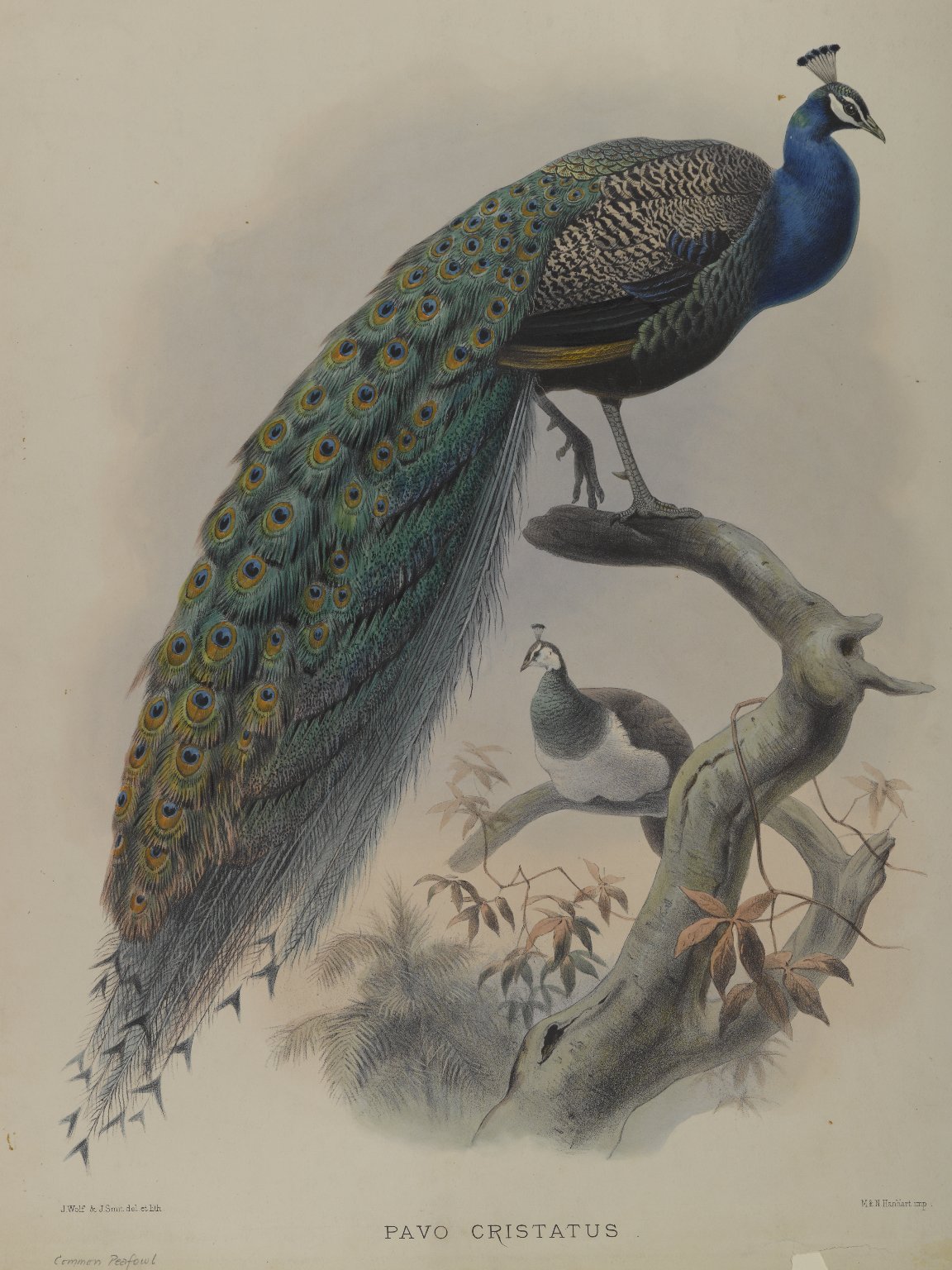
I am not my work. I love my work, and it fulfills me when other people love it. I am proud of what I produce and will never put my name on anything that falls short of what I can do without killing myself.
But my work and myself are not the same thing. I think the inclination to feel otherwise is common for Autistic creators because so much of the rest of the world is out of sync with who we are, and we think our own creations must be exactly what we demand them to be.
More difficult than the writing itself is the moment when as an author I say of the project, “it’s enough.”
And I am enough.
- Posted in: Writing
- Tagged: autism, autisticwriter, fiction, perfectionism, writing

 Ty Unglebower