The Autistic Writer: Loneliness
The literal process of writing is a solitary act. Even if you are collaborating on something with another author, or battling it out in the proverbial “writers room,” ultimately, even if only for a few minutes, you write alone. (Even with others present.)
The very nature of Autism is the tendency to turn inward. (It’s the original nature of the term, after all.) The vast majority of people on the Spectrum either don’t mind being alone, or actively prefer it.
That doesn’t mean those with ASD cannot ever be lonely. I myself am in fact usually lonely. For not only am I Autistic, I am, as you know, a writer. Two very much “by-yourself” identities in one.
If I spent the lion’s share of my free time doing something like roleplaying games, or if I had a career in event planning, I must definitely could still feel lonely. At the same time the nature of those two lives not only provides but requires a certain degree of connectivity with other people. Interaction, even superficial, is a must, thereby, through sheer statistics, increases the chances of meeting a wide variety of people, which in turn can combat feelings of loneliness.
Writers have the occasional writing group, which I find hit or miss when it comes to socializing. But most writers in most writers groups are not Autistic either.
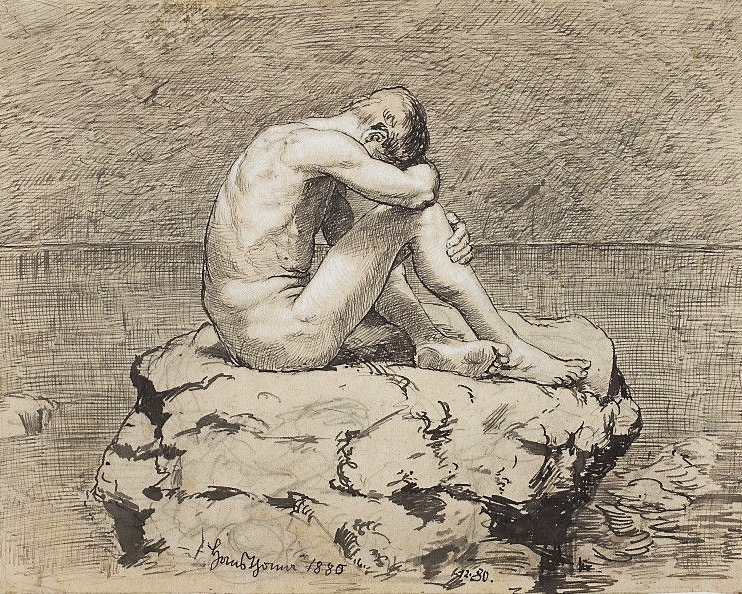
Don’t get me wrong, the chance to kibitz with others who have at least a notion of the nuanced, frantic, sometimes crushing life of a writer is important. One does however become weary of discussing the very things that one spends most of one’s energy on when alone, though.
Film buffs often agree that making a high-quality movie about writing is in essence impossible. Good films about writers exist, but they usually focus, ironically, on aspects of the life in question that are outside of writing. Throw in montage of the protagonist pounding away at a keyboard, complete with erasing, or depending on the era, ripping the page out of the typewriter and balling it up before throwing it across the room.
Then it’s back to the drug/romance/money problem to drive the narrative.
It’s because, as I said, writing is an internal struggle. Internal joy. Internal adventure. But internal, regardless, and how do you present that visually? One must engage the audience with “writing adjacent” activities and moods.
Not being a filmmaker, and being Autistic to boot, therefore can be an isolating calling.
It absolutely has advantages, as I have described in these posts many times. When I finally get focused on a project, little can pull me away from it, and the quiet of not having a social life to commit to becomes an advantage.
It’s just that IO have nobody to talk to about it. Or better said, I have nobody to talk to about anything else but, much of the time.
- Posted in: Miscellany
- Tagged: autism, autisticwriter, writing

 Ty Unglebower