Greek Chorus as Author: An Update
A week ago I posted, in a vague sense, about an audition I had, with hopes of only playing one particular character. I am pleased to announce I got the only role I was looking for in the production. I will be playing Alfieri in Arthur Miller’s A View from a Bridge.
I appreciate the congratulations you may feel inclined to offer. But as excited as I am about this production, it still makes for an interesting commentary on writing, just as my more general post did last week.
Alfieiri is a particular type of character in this tale, which allows for a commentary on fiction writing that not all characters allow for. That’s what I want to mention.
If you are not familiar with the story, it is about Eddie, a Brooklyn longshoreman in the 1950’s. He’s a surrogate father figure/uncle to Catherine, whom he has raised with his wife from childhood. A niece by marriage only, Catherine has fallen in love with another longshoreman recently arrived in the United States. This turn of events stirs feeling of jealously and possibly more within Eddie. It sets him on a tragic course.
My character, Alfieri, is a neighborhood lawyer. But more significant than that is the narrator to the audience. A certain type of narrator in fact. He acts as a sort of Greek Chorus, as often seen in those ancient tragedies. By that I mean he interacts with characters as part of the action of the story as it unfolds, even tries to influence it, but he cannot. When he is not doing this, he looks back on the story, setting the scene for the audience at the theatre after the fact. The tale is, in essence, Alfieri’s flashback, though he himself appears only sporadically on stage.
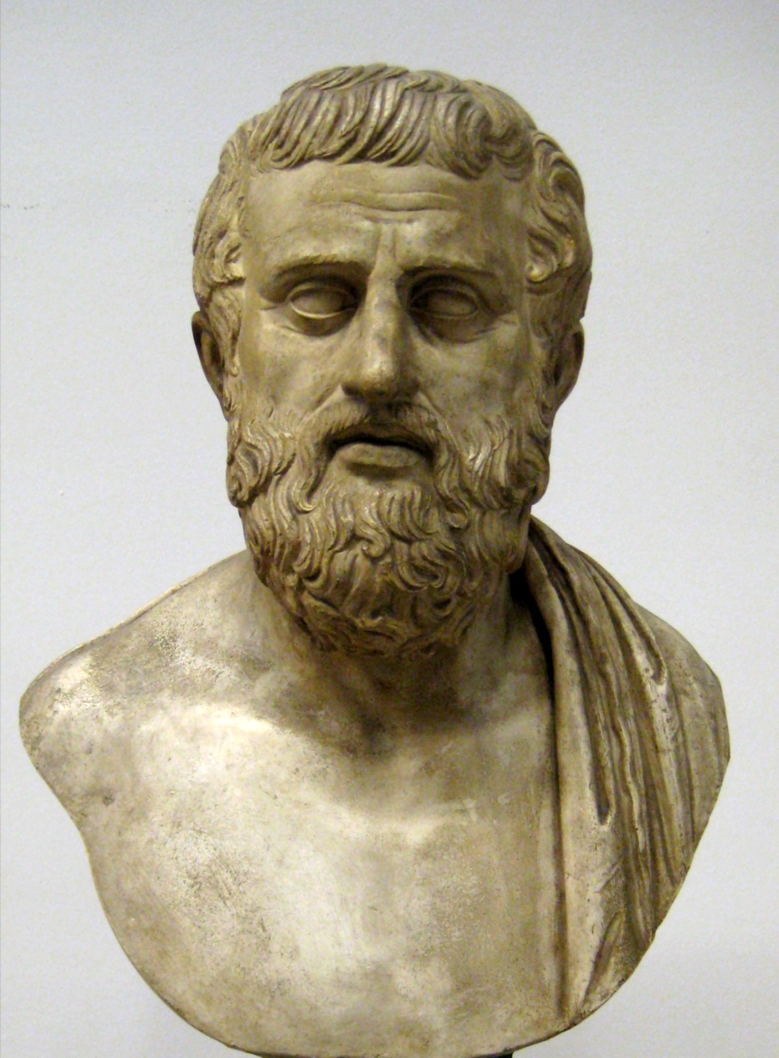
That is the aspect of the character that fascinated me, both back in high school when first encountered this play, but especially today. That’s because it occurs to me that as I perform the narrator functions of Alfieri, I will use some of the same “muscles” I use when I am writing my fiction, and that is not usually the case on stage.
I of course did not write this story, and within the play, neither did Alfieri. Nevertheless much of his job is to set the scene in direct address to the audience, much like an author does for the reader. To me this requires a particular approach and interpretation of the lines that I feel my being an author can enhance to some degree.
Authors are all narrators to some degree, aren’t they? Depending on which story they are telling, they can be reliable or unreliable. They can be a character within the story, as in first person point of view, or that can be distant observers, and nearly objective. (As one finds with third-person omniscient point of view.) The author’s voice is usually kn the past tense, telling a story that already happened. (Though increasingly in modern fiction we find present-tense narratives gaining popularity.)
The job, however is always the same–to tell a story to the reader.
Usually when I play a role on stage, I am within the story. Most roles for the stage are in fact of this variety. Actor are of course presenting a story no matter who they play, but they are not usually telling it. The script as a whole is telling it, the playwright is telling it. But the characters, even the leads, are a fraction of the story. Their job is to give that fraction life.
Only half of Altieri’s lines are like this. The rest, as I said, is direct, first person story telling to the audience. I look forward to entering an antechamber of my author mind as I perform these sections of character-as-narrator. I welcome the challenge of relating directly to those in the seats, as an author must with his fiction.
I realize it is not a direct correlation, but closer than I have been for a while on stage.
Interested in how it all works out? Consider coming to see it yourself, in your are local to Hagerstown, Maryland. Check out the Potomac Playmakers for details as we get closer to a mid-November set off performances!
(At least for that half of his stage time.)
- Posted in: Miscellany

 Ty Unglebower