Shrink the Arts to Save them, and Us.
A dangerous, angry, Right Wing aspiring-tyranny has descended upon the United States once more. Regime 47, having learned some efficiency lessons from a practice round that was 2017-2021 will no doubt be far more effective this time around in implementing it’s dark, discriminating and destructive policies.
It may result in the end of what democracy we had in this country to begin with.
One may not think that brings to mind the arts, but it certainly does. Books, theatre, visual art, dance, all of them. They are all both more important and more under threat today. (As is usually the case in Right Wing movements and authoritarian regimes such as that of 47.)
People far more intelligent, eloquent and influential than me have elucidated the wherefore and why of arts-hate among the MAGA types and other similar ilk. I’ll not retread such discussions here, as I have a more specific point to make. But in short, the more joy, introspection and empathy in a society, the more difficult it is for fascist traits to take full hold.
Censorship of content critical of the acting regime is of course a significant part of this fight, but I maintain that it is the overall spirit of free creativity in our selves and that of those around us that is the greater threat. It is one reason why “patronize and support the arts” shows up on many “how to defeat and survive tyranny”) lists around the world. I encourage you to look into some of those, for more than one reason.
My take here is about scope and budget in this fight.
The first step in choking out the power of the arts is to cut off funding. Project 2025 and other lesser known platforms on the Right call for a defunded of arts agencies such as the National Endowment for the Arts. This should be opposed of course. But the fact of the matter is that we as a society under threat must no longer rely on such institutions to present and protect the arts component in the country.
Nor can we rely on grants and loans as artists like perhaps we could in by gone eras. (Some of us anyway.) By no means should we give up, but as money becomes more scarce both from the government, as well as private donors (some of whom will concentrate their money to other causes, others who may simply be afraid to be known as arts-supporters) the question of funding must move down further and further into the community, the arts-company, and even to the individual.
In short, to keep the arts alive, we must to some extent simplify, and, forgive the phrase, “go cheap.”
Not cheap in sprit or commitment or dedication. I mean literally cheaper price tags. Million dollar venues and productions or presentations with budgets the size of small countries are wonderful. But as they become rare, or at least even further out of reach for the average person than they already are, it is up to us as individuals to double our passion for art even as we halve or quarter or worse our spending.
I mean a greater willingness to self publish works, with simpler design options. We know a book cover helps to sell a book, but to hire the best artists to do so will require most indie-authors to pass the cost on to the reader. Let us make our imaginations more, and not less accessible to those with little or nothing.
I mean theatre companies willing to devote themselves entire to original works from the community, public domain pieces that cost nothing, and fewer but deeper presentations in the course of their season. A decrease in focus on concessions and guilds and fundraising galas, a nd greater attention and commitment to the literal show being produced.
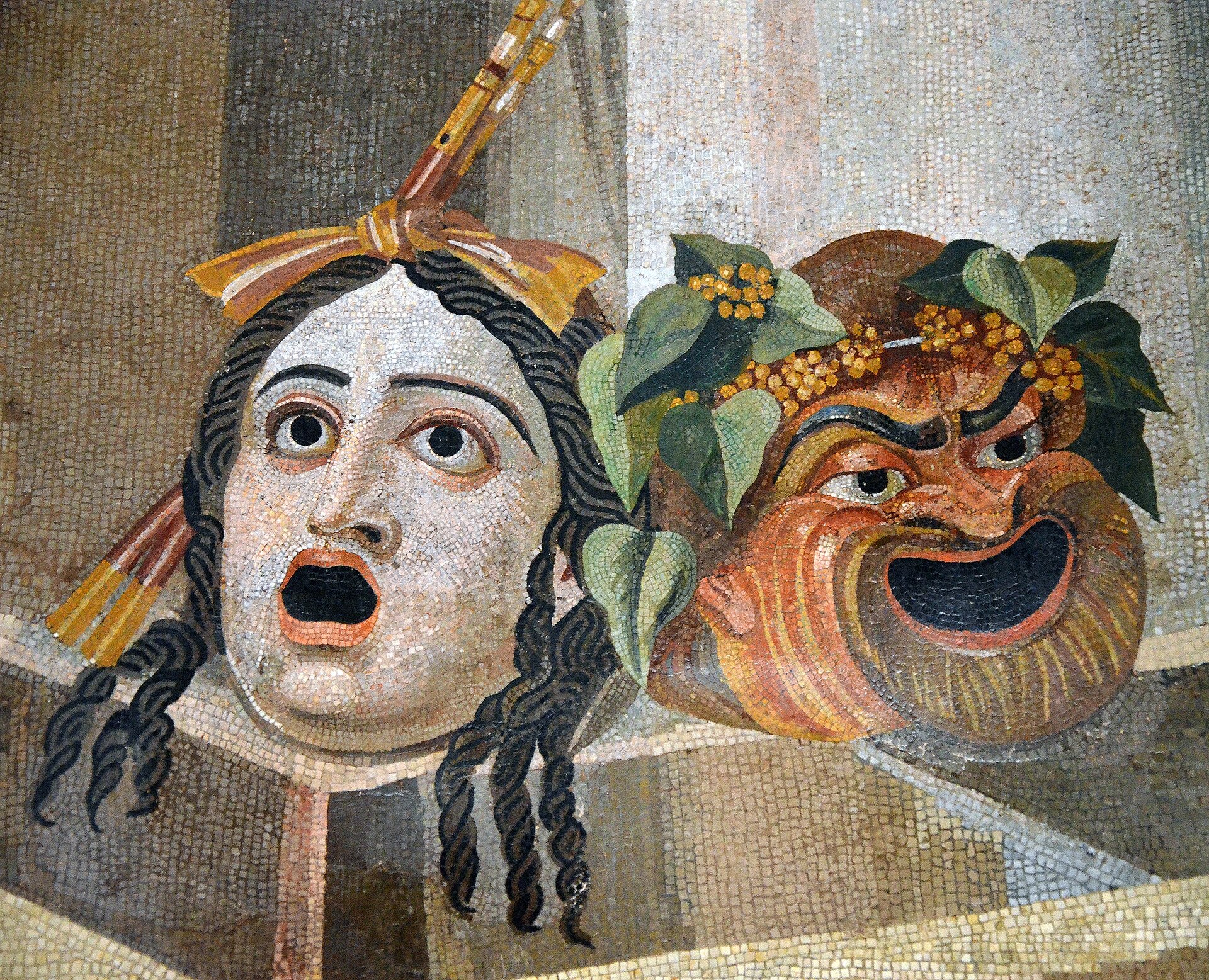
More in-the-park and impromptu productions, with a chair, a bunch of people in their own black clothing, and the memorized script as the pillars. Things that require little to no admission charge in order to make back the cost of the production.
I mean those with space/real estate to spare hosting more events, for more intimate crowds, for free, yes even in your home, if any of those means anything to you.
And we the consumer must also change.
Let’s not expect a full orchestra if a musical at the local school is possible with mere canned background music. Put the cell phones away and be willing to shut up so everyone can here the poetry reading without the sound system that needed replaced years ago.
We must be willing to narrow our attention, our money, our love to the barest most basic nature of the work presented, and not hope to replicate Broadway or the West End every time we decide we want to see a show. (And we must decide we WANT to see a show way more often than we have been, on any level.)
And do not be so damned busy, in any world or the art world, that you cannot take time to truly appreciate the songs, the plays, the book, the painting. Rushing through the arts in not consuming them anyway, but it is particularly unhelpful in the face of cultural annihilation. Produce, write and consume less, but for the sake of building an understanding, and imagination, a community more.
They are coming for the arts exactly BECAUSE it is a means to harvest joy, thought, empathy in even the smallest, least significant crannies of what’s left of our society.
But only if we choose to embrace a new radical modesty in the way we take part in and consume all of the arts.
To have any hope of the arts being a huge component of saving society one day, we, today must be willing to make it as small and accessible, and mobile as we can.

 Ty Unglebower